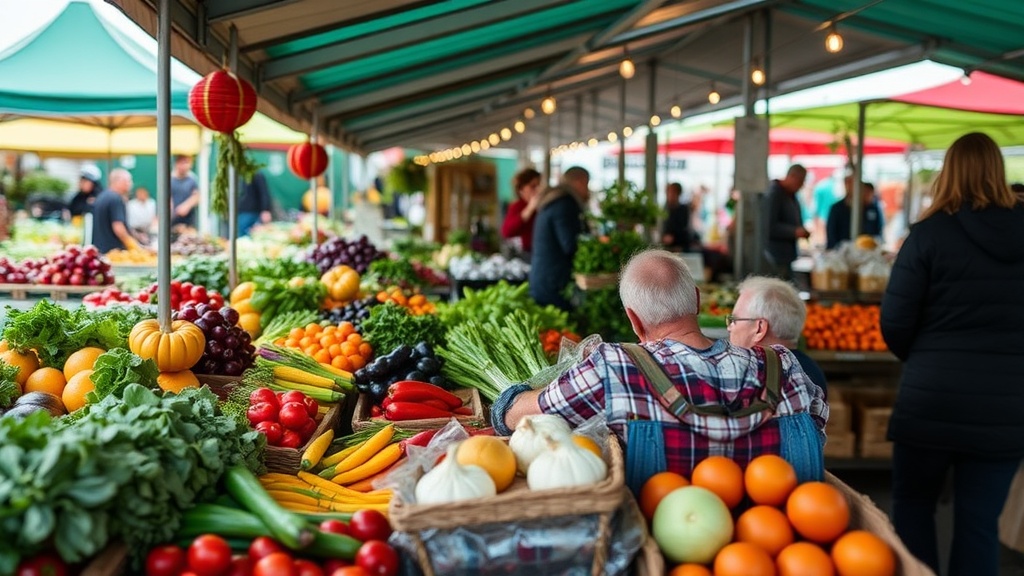
How to Find Fresh Local Produce at Prince Edward Island Farmers Markets

What's in This Guide (and Why Prince Edward Island Locals Should Read It)
This guide covers everything you need to know about sourcing fresh, seasonal produce directly from farmers and producers across Prince Edward Island. You'll learn which markets operate year-round versus seasonally, what to expect price-wise, how to build relationships with vendors, and practical tips for storing your haul. Whether you're a longtime resident looking to shift more of your grocery budget toward local agriculture or someone new to Prince Edward Island wanting to understand the region's food space, this post will help you shop smarter and eat better.
Where Are the Best Farmers Markets in Prince Edward Island?
The Charlottetown Farmers Market on Belvedere Avenue is the largest and most established option in Prince Edward Island, operating year-round every Saturday from 9 AM to 2 PM. Inside the historic market building (and spilling onto the surrounding grounds during warmer months), you'll find over 50 vendors selling vegetables, fruits, meats, dairy, baked goods, and crafts. The market has been a Prince Edward Island institution since 1986, and many families have shopped here for generations.
Here's the thing — Charlottetown isn't your only option. Prince Edward Island has several other excellent markets worth exploring:
- Summerside Farmers Market — Located at 100 Water Street, this market runs Saturdays from 9 AM to 1 PM year-round. It's smaller than Charlottetown (roughly 25 vendors) but offers a more relaxed pace and plenty of parking.
- Cardigan Farmers Market — Operating seasonally from June through October at the Cardigan Community Centre, this Friday afternoon market (2 PM to 6 PM) serves eastern Prince Edward Island residents who'd rather not drive to the capital.
- Tyne Valley Farmers Market — Another seasonal gem running Sundays from 11 AM to 2 PM at the Tyne Valley Community Sports Centre. Western Prince Edward Island locals swear by the seafood vendors here.
Each market has its own character. Charlottetown draws the biggest crowds and offers the widest selection, but you'll wait in line for popular items. Summerside feels more like a community gathering — vendors remember your name. The catch? Smaller markets have less variety, so you might need to visit Charlottetown for specialty items like certain heirloom vegetables or artisanal cheeses.
What Produce Is Actually in Season on Prince Edward Island?
Prince Edward Island's growing season runs from late May through early October, with different crops peaking at different times — strawberries in June, tomatoes in August, root vegetables in September and October. Understanding this rhythm helps you shop smarter and avoid disappointment.
Worth noting: some vendors at Prince Edward Island markets sell produce they didn't grow themselves. They're resellers — nothing wrong with that, but you'll pay a markup. True local produce follows the agricultural calendar. Here's what to expect:
| Month | Peak Produce | Prince Edward Island-Specific Notes |
|---|---|---|
| June | Strawberries, rhubarb, leafy greens, new potatoes | PEI new potatoes are famous for a reason — thin-skinned, waxy, unbeatable |
| July | Blueberries, raspberries, peas, beets, carrots | Wild blueberries from eastern Prince Edward Island start appearing mid-month |
| August | Tomatoes, corn, peppers, cucumbers, squash | Sweet corn from Prince Edward Island farms hits peak sweetness — don't bother with grocery store corn this month |
| September–October | Pumpkins, squash, apples, root vegetables, Brussels sprouts | Storage crops dominate — this is when to stock up for winter |
Many Prince Edward Island farmers now use greenhouses and hoop houses to extend their seasons. You'll find tomatoes and greens earlier than the table suggests, and root cellaring keeps some produce available at winter markets. That said, January strawberries in Prince Edward Island are either imported or grown in energy-intensive setups — buyer beware.
How Much Should You Expect to Pay at Prince Edward Island Markets?
Prices at Prince Edward Island farmers markets generally run 10–30% higher than supermarket produce, but the gap narrows considerably during peak season when supply is abundant. In August, you'll often find tomatoes and corn priced competitively with — or even below — grocery store rates. The real value proposition isn't always price, though; it's freshness, flavor, and keeping money circulating within the Prince Edward Island economy.
Here's what typical produce costs looked like during the 2024 season at Charlottetown Farmers Market:
- Heirloom tomatoes: $4–$5 per pound (July through September)
- PEI new potatoes: $3–$4 for a 5-pound bag (June and July)
- Fresh blueberries: $4–$6 per pint (July and August)
- Sweet corn: $6–$8 per dozen ears (August)
- Butternut squash: $2–$3 each or $1.50 per pound (September through November)
- Free-range eggs: $6–$8 per dozen (year-round)
Bring cash — many vendors prefer it, and some don't accept cards at all. The Charlottetown market has an ATM, but you'll pay fees. Smaller markets in Prince Edward Island are more likely to be cash-only across the board.
Money-Saving Strategies for Prince Edward Island Market Shopping
Seasonal abundance creates opportunities. In late August, when tomatoes are everywhere, vendors often offer "seconds" — imperfect fruit perfect for sauce — at half price. Ask about them. Same with bruised peaches or oddly shaped squash. Prince Edward Island farmers hate waste, and many will cut deals on produce that won't sell at premium prices.
Buying in bulk saves money too. A 20-pound box of canning tomatoes costs significantly less per pound than buying individual specimens. If you don't can, split bulk purchases with neighbors or friends. The Prince Edward Island homesteading community is active — look for local Facebook groups where people coordinate group buys.
Some vendors offer CSA (Community Supported Agriculture) shares — you pay upfront for a season's worth of produce, picking up weekly boxes. The PEI Food Exchange maintains a directory of CSA programs operating across Prince Edward Island. These arrangements typically save 15–20% compared to buying equivalent items at market, though you're committed to whatever the farm harvests each week.
How Do You Build Relationships With Prince Edward Island Farmers?
Repeat customers get better treatment — it's that simple. Vendors remember faces, and regulars often get first pick of limited items, informal discounts, or heads-up about special products coming in. Building these relationships takes time but pays dividends.
Start by visiting the same vendors consistently. Pick two or three whose products you genuinely enjoy — maybe the organic vegetable grower from Dunk River or the berry farm near Victoria. Learn their names. Ask about their growing practices (but save detailed conversations for slower periods, not the Saturday morning rush). Prince Edward Island farmers are proud of their work and usually happy to explain why they do things a certain way.
Here's the thing about timing — arrive early for selection, arrive late for deals. The best strawberries disappear within the first hour. But in the final 30 minutes of market day, vendors with perishable inventory sometimes discount rather than pack up unsold goods. You'll sacrifice choice, but you might score 50% off a flat of ripe tomatoes.
Don't haggle aggressively — it's poor form. A polite "any deals on bruised peaches?" is fine. Demanding lower prices on perfect produce is not. Remember, these are small businesses operating on thin margins. The Women's Institute of Prince Edward Island has published resources about fair pricing and supporting local agriculture that are worth reading.
Questions Worth Asking Your Grower
Prince Edward Island has a strong organic movement, but not all local farms are certified organic (certification is expensive for small operations). If pesticide use matters to you, ask directly: "Do you spray?" Many Prince Edward Island farmers use minimal or no spray but haven't pursued formal certification.
Other useful questions:
- "When was this picked?" — Anything more than 48 hours ago isn't truly fresh
- "How should I store this?" — Proper storage dramatically extends the life of Prince Edward Island produce
- "What's coming in next week?" — Helps you plan meals and return visits
- "Do you sell at other markets?" — Some vendors rotate between Summerside, Charlottetown, and seasonal locations
What Should You Bring to Prince Edward Island Farmers Markets?
Preparation separates successful market trips from frustrating ones. Prince Edward Island weather changes quickly, and markets operate rain or shine — dress in layers and wear shoes that can handle grass, gravel, or muddy parking lots depending on the season.
key items to pack:
- Reusable bags and baskets — Vendors appreciate customers who don't need plastic. Bring insulated bags if you're buying meat or dairy
- Cooler with ice packs — Leave it in your car. Prince Edward Island summers are humid, and lettuce wilts fast
- Small bills and exact change — Speeds up transactions and helps cash-only vendors
- A rough meal plan — Know what you need, but stay flexible based on what looks best
- Water bottle and snacks — Especially if you're bringing kids. The Charlottetown market has food vendors, but lines are long
Some Prince Edward Island regulars bring a wagon or collapsible cart for heavy purchases. If you're planning a major stock-up session — say, buying 50 pounds of tomatoes for canning — this isn't overkill. The parking lot at Charlottetown Farmers Market is gravel, so wheels help.
Handling and Storing Your Prince Edward Island Haul
Fresh Prince Edward Island produce often hasn't been refrigerated and hasn't been treated with shelf-life-extending chemicals. This means better flavor but shorter windows for use.
General rules: don't wash produce until you're ready to use it (moisture promotes rot), store tomatoes and peaches at room temperature (refrigeration kills their flavor), and keep leafy greens in perforated bags in your crisper drawer. Root vegetables from Prince Edward Island farms — carrots, beets, parsnips — often come with greens attached. Remove those greens before storing; they'll draw moisture from the roots.
For long-term storage of Prince Edward Island storage crops, the Government of Prince Edward Island agriculture resources provide detailed guidance on root cellaring. Even a cool basement corner works for winter squash, onions, and potatoes kept in breathable containers.
Final Thoughts on Making Prince Edward Island Markets Part of Your Routine
Farmers markets in Prince Edward Island aren't just shopping trips — they're community infrastructure. The same vendors who sell you corn in August might hire your teenager next summer. The money you spend stays in the province, supporting rural livelihoods and preserving agricultural land against development pressure.
Start small. Pick one market, visit three times, buy a few things that look good. Talk to the people selling food. Learn what's in season when. Over time, you'll develop intuition about what constitutes a fair price for Prince Edward Island produce and which vendors consistently deliver quality. The learning curve exists, but it's gentle — and the food waiting at the top is worth every bit of effort.
Steps
- 1
Locate your nearest farmers market in Charlottetown or Summerside
- 2
Check seasonal schedules and peak harvest times for different crops
- 3
Connect directly with vendors to learn about their growing practices