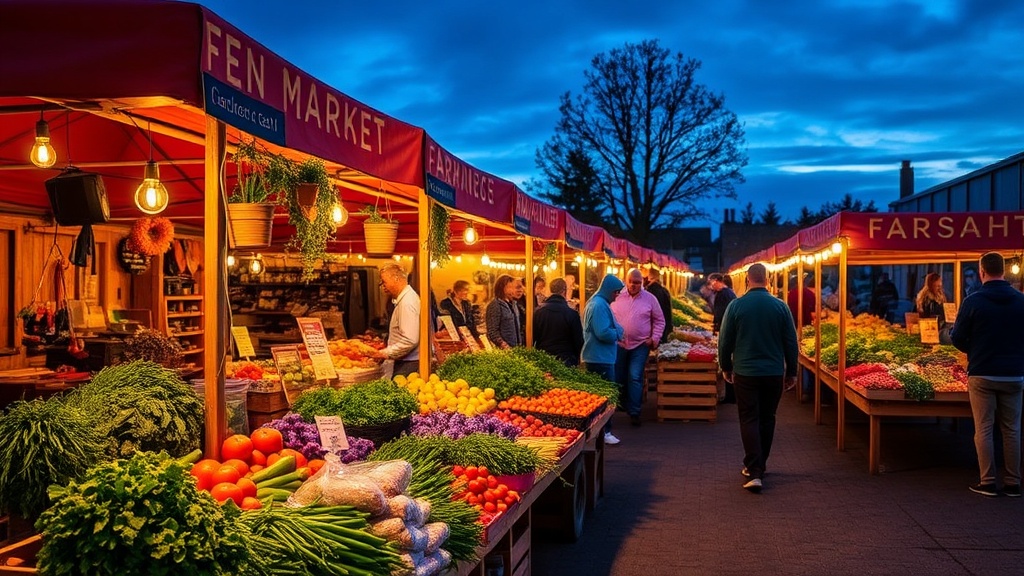
Prince Edward Island Farmers Markets: A Local's Guide to Year-Round Community Hubs

What This Guide Covers (and Why Prince Edward Island Locals Should Care)
This is your practical roadmap to Prince Edward Island's farmers markets—the ones that actually matter to people who live here year-round. You'll find details on seasonal hours, which vendors sell what, where to park without hassle, and how these markets serve as genuine community hubs (not just weekend attractions for visitors). For Prince Edward Island residents, farmers markets represent something bigger than fresh produce. They're where you run into neighbors, support local growers face-to-face, and keep money circulating within our island economy. Whether you've lived in Charlottetown for decades or recently settled in a rural township, knowing your market options changes how you shop, eat, and connect.
What Are the Main Farmers Markets in Prince Edward Island?
Prince Edward Island operates several distinct farmers markets, each with its own character, vendor mix, and schedule. The catch? Not all markets run year-round, and hours shift dramatically between summer and winter.
The Charlottetown Farmers Market anchors the scene. Located at 100 Belvedere Avenue (the former Holland College building), this is the island's largest and most established market. It runs Saturdays year-round from 9 AM to 1 PM, with Wednesday hours added during peak summer (July through September). Over sixty vendors fill the space—vegetable growers, meat producers, bakers, artisans, and prepared food sellers. Parking is ample and free, which matters when you're hauling cases of tomatoes or multiple bags of Island potatoes.
The Summerside Farmers Market operates from the Causeway Bay Convention Centre at 311 Water Street. Saturday hours run 9 AM to 1 PM year-round, with a smaller Tuesday market (10 AM to 2 PM) during summer months. It's more compact than Charlottetown's—roughly twenty-five regular vendors—but the quality holds up. You'll find exceptional seafood here (fresh lobster, mussels, oysters) alongside produce from western PEI farms.
The Cardigan Farmers Market serves eastern Prince Edward Island from the Cardigan Centre (Route 321). It runs Saturdays 10 AM to 2 PM, though winter operations depend on vendor availability. This market emphasizes traditional island products—hand-knit woolens, woodwork, and small-scale agriculture from Kings County growers.
Smaller seasonal markets pop up in Tyne Valley, Georgetown, and Souris during summer months. These operate irregularly—often biweekly—so checking the Prince Edward Island Farmers Markets Association website before making the drive saves disappointment.
When Do Prince Edward Island Farmers Markets Operate Through the Year?
Most Prince Edward Island markets follow a predictable seasonal rhythm, though the Charlottetown location maintains consistent Saturday hours regardless of weather.
| Market | Summer Schedule | Winter Schedule | Peak Months |
|---|---|---|---|
| Charlottetown Farmers Market | Sat 9AM-1PM, Wed 9AM-1PM | Sat 9AM-1PM only | July–September |
| Summerside Farmers Market | Sat 9AM-1PM, Tue 10AM-2PM | Sat 9AM-1PM only | July–August |
| Cardigan Farmers Market | Sat 10AM-2PM | Sat 10AM-2PM (weather dependent) | June–October |
| Tyne Valley Market | Biweekly Sat 9AM-1PM | Closed | July–September |
Here's the thing about winter markets in Prince Edward Island—they're quieter, sure, but often more rewarding. Vendors have time to talk. You'll learn which root cellars stored the best carrots, or why this year's potato harvest produced such excellent baking potatoes. The social aspect intensifies when there are fewer crowds.
What Can You Actually Buy at Prince Edward Island Farmers Markets?
Expect genuine agricultural products grown or raised on Prince Edward Island soil—not imported produce disguised with local packaging. Provincial regulations require vendors to sell primarily what they produce themselves (with limited exceptions for partnered goods).
Produce dominates, especially during peak growing season. July brings new potatoes, snap peas, and the first field tomatoes. August explodes with sweet corn, berries, and squash. September delivers root vegetables, late-season greens, and apples from orchards in the Dunk River Valley. Winter markets shift toward storage crops—potatoes, carrots, beets, cabbage—plus greenhouse greens from operations like Vessey's and smaller hydroponic growers.
Meat and seafood represent major categories. Beef, pork, and lamb from farms like Cavendish Farms (the agricultural operation, not the potato processor) and various smaller livestock operations. Fresh seafood appears at most markets—particularly Summerside—with Deep Sea Foods and independent fishers selling cod, haddock, lobster, and shellfish caught in waters surrounding Prince Edward Island.
Prepared foods have expanded dramatically. You'll find wood-fired bread from True Loaf Bakery, traditional Scottish shortbread, samosas, pierogies, and complete meals ready to heat. This matters for busy locals who want to support island businesses without cooking everything from scratch.
Non-food items include soaps (often made with local goat milk), wool products from island sheep farms, woodworking, and pottery. These vendors round out the market experience—though they rarely dominate floor space the way craft sellers might at tourist-oriented events.
How Do Prices Compare to Grocery Stores in Prince Edward Island?
Honest assessment: some items cost more at farmers markets, some cost less, and quality differences complicate direct comparison.
Produce in season—tomatoes in August, root vegetables in October—often undercuts supermarket prices while delivering superior freshness. The potatoes you buy from a Queens County grower on Saturday were likely harvested Friday. They'll store longer, taste better, and support an actual Prince Edward Island family operation.
Meat and specialty items generally run higher than grocery store equivalents. Island-raised beef or artisan cheese commands premium pricing. That said, you're paying for transparent sourcing, animal welfare practices, and economic impact within our community. For families prioritizing these values, the extra cost represents intentional spending.
Worth noting: many vendors offer "seconds"—imperfect produce at reduced prices. Ask specifically if you're cooking for quantity rather than presentation. Those bruised tomatoes make exceptional sauce.
What Should First-Time Visitors Know About Prince Edward Island Market Culture?
Prince Edward Island farmers markets operate with distinct local customs that differ from bigger city experiences.
Bring cash—though most vendors now accept Interac and credit cards, cash transactions remain faster and occasionally earn small discounts. Bring bags, preferably sturdy reusable ones. Some vendors provide bags, but supplies run thin during busy periods, and plastic bag regulations mean paper options cost extra.
Arrive early for selection, arrive late for deals. Serious shoppers hit the Charlottetown market right at 9 AM for first pick of limited-quantity items (fresh flowers, particular cheeses, popular baked goods). That said, vendors often discount remaining stock after 12:30 PM rather than hauling it home. Both strategies work—you're choosing between selection and price.
Talk to vendors. This isn't transactional shopping. Ask about growing practices, recipe suggestions, or whether particular items will appear next week. Most Prince Edward Island producers farm specifically because they value this direct connection with eaters. They'll remember you. They'll set aside items if you ask. They'll text when your favorite apple variety comes in.
"We started coming to the Charlottetown market fifteen years ago when our kids were small. Now those vendors watched our children grow up, and we watched their businesses expand from folding tables to full stalls. That's not something you get at a supermarket." — Regular market shopper from Stratford
How Do Prince Edward Island Markets Support the Local Economy?
The economic impact extends far beyond individual transactions. When you spend money at a Prince Edward Island farmers market, approximately 70 cents of every dollar stays within the provincial economy (compared to roughly 30 cents for chain grocery purchases). This multiplier effect supports equipment suppliers, transportation services, packaging businesses, and other secondary enterprises.
Markets also function as small business incubators. Several established Prince Edward Island food companies—Pure Pizza, Island Honey Wine Company, Lady's Slipper Cider—started as market stalls before expanding to retail distribution. The low overhead and direct customer feedback allow entrepreneurs to test products without massive capital investment.
For agricultural operations specifically, farmers markets provide critical cash flow. Traditional wholesale channels often pay months after delivery. Market sales generate immediate revenue that covers labor costs, fuel, and seed purchases for the next growing cycle.
Which Prince Edward Island Market Vendors Have the Best Reputations?
Certain vendors develop devoted followings for consistent quality and fair dealing.
Maple Bloom Farm (Charlottetown market) produces exceptional mixed vegetables using organic practices—though not certified organic due to cost barriers. Their salad greens and heirloom tomatoes command dedicated buyers who arrive specifically when their stall opens.
Thompson's Lobster at the Summerside market offers seafood caught by family vessels operating from Tignish and Northport. Prices fluctuate with catch volumes, but freshness never wavers.
Doiron's Fisheries appears at multiple markets with fresh and smoked fish products. Their smoked mackerel and salmon have won provincial awards and represent genuine Prince Edward Island food traditions.
Trillium Cheese produces small-batch cheese from a farm near Kensington. Their aged cheddar and fresh curds demonstrate why Prince Edward Island dairy commands respect throughout Atlantic Canada.
New vendors appear regularly—part of what keeps market visits interesting. The Charlottetown Farmers Market website maintains current vendor lists with product descriptions.
What About Accessibility and Practical Concerns?
The Charlottetown market building offers level access, accessible washrooms, and ample space for mobility devices. Summerside's location within a convention centre provides similar accessibility. Both maintain climate-controlled indoor environments—critical during Prince Edward Island's unpredictable weather.
Parking at Charlottetown can congest during peak summer Saturdays. Arriving before 9:15 AM or after 11:30 AM reduces hassle. The Summerside location has dedicated lot parking rarely filled to capacity.
Winter weather occasionally impacts market operations. Severe storms may cause cancellations—vendors typically post updates on social media by 7 AM when conditions deteriorate. When in doubt, call ahead before driving through blowing snow.
How Can You Make Farmers Markets a Regular Part of Your Prince Edward Island Routine?
Integration into weekly life happens gradually. Start with one market visit monthly. Identify three to four vendors supplying staples you actually use—eggs, bread, root vegetables, meat. Build relationships. Ask about pre-ordering for pickup if Saturday mornings don't suit your schedule (many vendors accommodate this).
Consider splitting a CSA (Community Supported Agriculture) share with neighbors if full shares overwhelm your household. Several Prince Edward Island farms offer CSA programs with market pickup options, combining the convenience of regular supply with market atmosphere.
Markets also host special events worth monitoring—Seedy Saturday in March (seed exchanges and gardening workshops), harvest celebrations in October, holiday markets featuring local crafts. These gatherings strengthen community connections beyond routine shopping.
The rhythm of Prince Edward Island life includes these market routines. They're where agricultural knowledge passes between generations, where new residents meet longtime islanders, where the economic and social fabric of our community remains visible and tangible. You don't need to shop exclusively at farmers markets to benefit—integrating them partially into your routine changes how you experience food, place, and neighborliness across our island.